AI now shapes how people are hired, promoted, and managed. HumaniCore builds oversight for every tool behind AI-enabled people decisions, oversight that holds up not in a demo, but where the stakes are real.

Organizations using AI in workforce decisions are being asked a new kind of question, not whether their systems were reviewed, but whether that review stands up under scrutiny.
AI now influences who gets hired, promoted, and managed across most large organizations, through screening tools, performance models, scheduling, and more. Oversight has not kept pace, and that gap is being exposed.
Recent legal action is not centered on bias alone, but on the absence of transparency, documentation, and accountability. A patchwork of new laws, varying by state and jurisdiction, now requires impact assessments, disclosures, and auditability.
More importantly, expectations are shifting faster than regulation. The question is no longer whether organizations are evaluating these systems; it's whether those evaluations will hold up when examined.
is no longer the only exposure. Transparency and documentation are now front and center.
New laws require impact assessments, disclosures, and evidence that can be examined.
Expectations are moving faster than regulation. Claims made at face value are now questioned.
What was once accepted at face value is now being questioned in procurement, in regulatory review, and increasingly, in court.
Some forms of oversight withstand that scrutiny. Many do not. The difference is rarely visible upfront.
It becomes obvious later, in the environments where the answer actually carries weight.
Not in a demo. Not in a sales process. When the answer has consequences, and there is no time left to prepare one.
Since the Mobley ruling, the public conversation among HR practitioners, employment counsel, and technologists has shifted. The question is no longer whether AI in workforce decisions can be biased. It is whether anyone can explain, defend, and prove how a decision was made.
Procurement teams are asking for evidence before signature, not after an incident. Counsel are asking who absorbs the liability when the vendor cannot answer. Practitioners are asking, in so many words, for a standard.
The question is no longer coming. It is here. We build for the moment it is asked of you.
Not dependent on who benefits from the outcome. Certification that means something when it's examined.
Not just created, but defensible when examined, long after the decision was made.
When a regulator, a court, or the board asks how an AI-enabled people decision was made, the answer has to already exist, documented, defensible, and standing apart from whoever built the tool. That is the standard your organization will be held to.
The questions from buyers are changing. It is no longer enough to describe what has been done; you are being asked whether it will stand up beyond the sale.
Responsibility does not transfer with the tool. When something fails, the burden of explanation remains, and the standard for that explanation is rising.
In July 2026, an independent panel of eleven judges at Texas A&M's Mays Business School reviewed documented experiment records from 248 ventures, in a challenge that opened with 531 teams across 160 universities. HumaniCore AI advanced as one of 27 semifinalists, on the strength of validated audit runs, disciplined remediation, and evidence-based execution.
We did not submit claims. We submitted records.

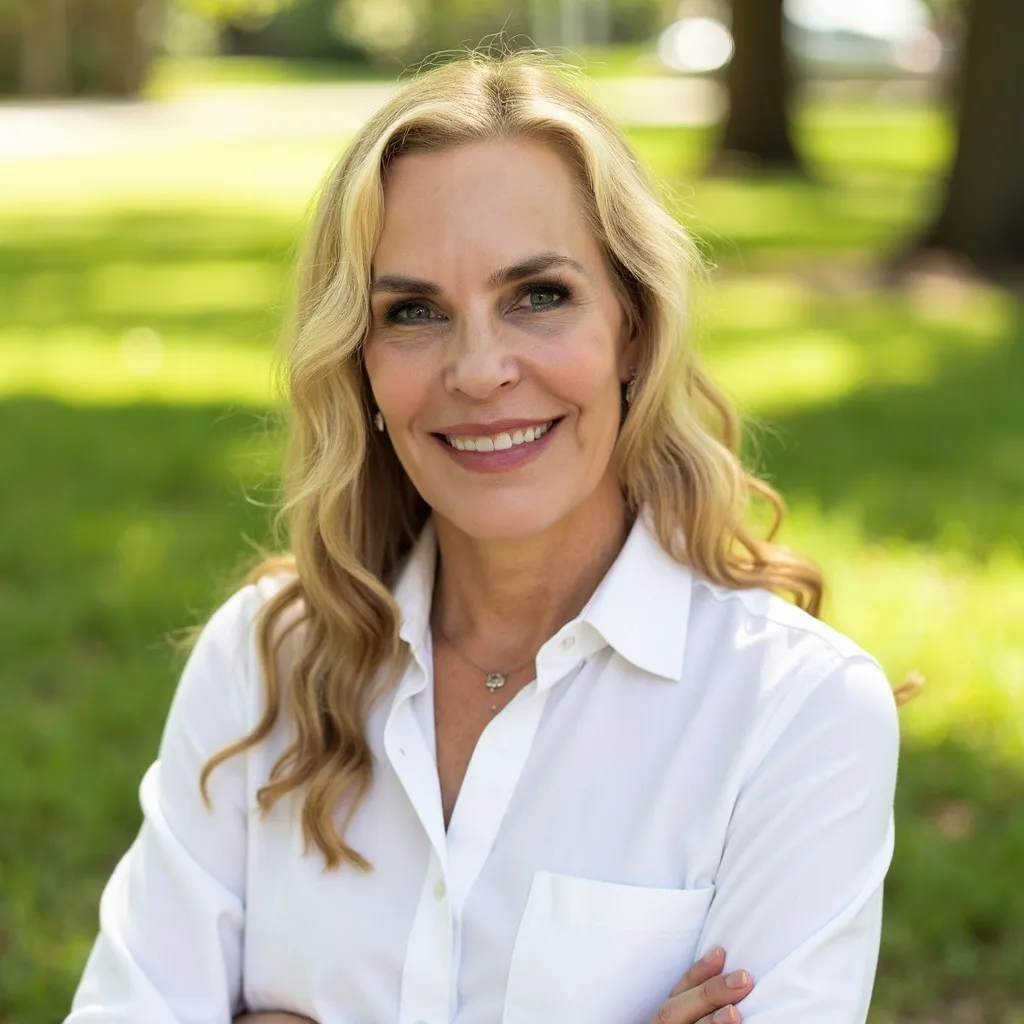
HumaniCore AI is founder-led by a former Chief People Officer and global HR leader with deep experience navigating complex people, technology, and executive accountability decisions. For two decades she was the buyer these systems were sold to, evaluating them from the inside before setting out to hold them to a higher standard. She pairs that operating experience with deep technical grounding, AI and machine-learning study through MIT CSAIL and Penn State, and a Master of Management candidacy at Penn State's Smeal College of Business in Corporate Innovation & Entrepreneurship with an AI concentration, so our standards are built by someone who knows the technology, not only the policy.
Our engineers come from defense, cybersecurity, and big tech, industries where every system must survive an audit before it ships. Together they bring decades of experience building for the most scrutinized programs in the country. The mission that unites them: AI that shapes people decisions must answer for them.
I may have founded it, but they are the Core of HumaniCore.
We're working with a limited number of organizations as founding audit partners - companies shaping the standard alongside us before certification launches. Founding partners get direct access to our methodology as it is built, and a voice in what the standard requires.
Request a briefing to be considered →Whether you build HR technology, deploy it in the enterprise, or answer for it in compliance or legal, tell us where AI touches your people decisions. Briefings are conversations, not sales calls; cohort seats are limited by design.